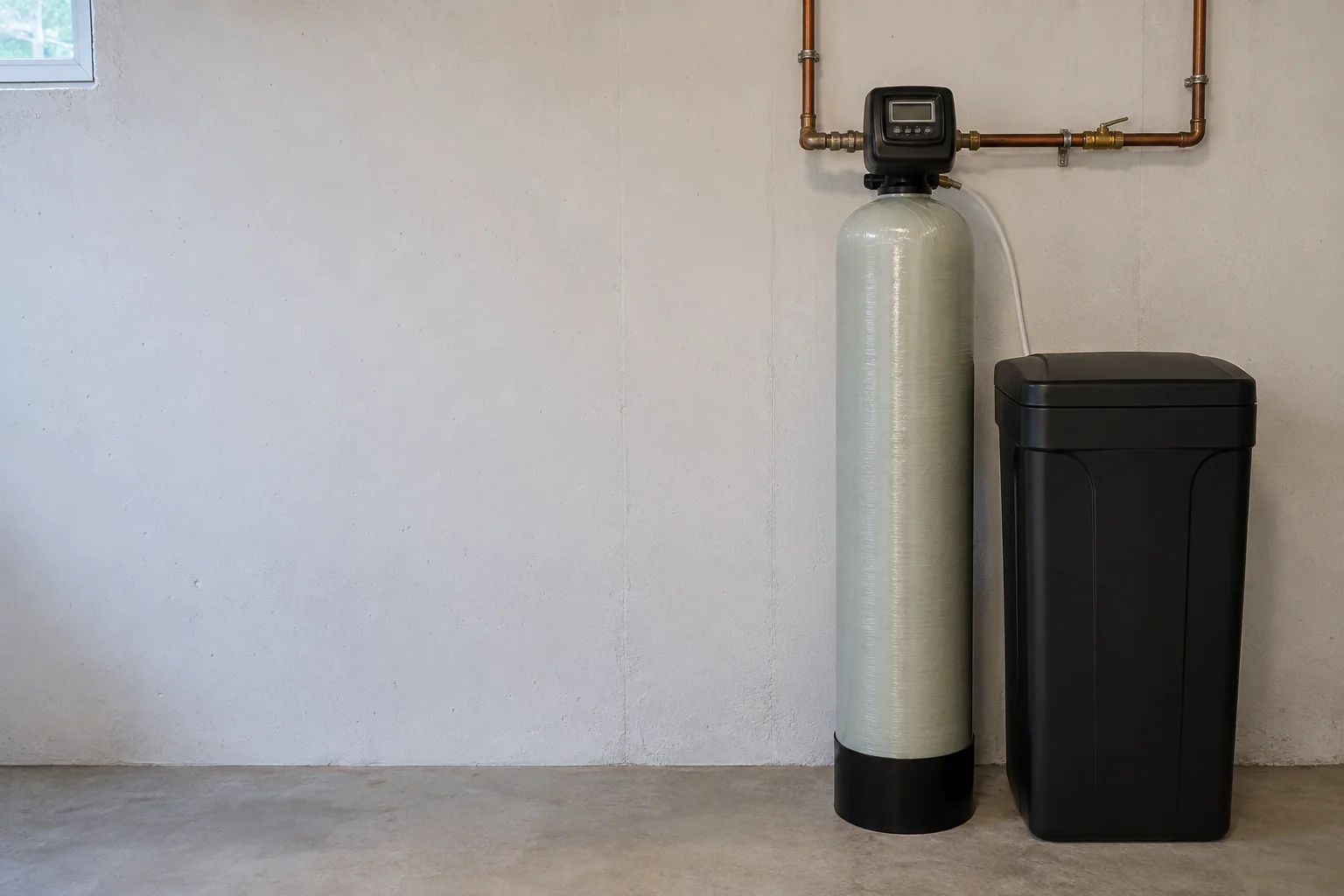
Whole-home water filtration
Treat water at the point of entry so the system serves taps, showers and appliances throughout the home. Rock can help you compare the installation with a system that treats drinking water at one faucet.
Start by deciding which fixtures need treated water. A system at the main water line and a system at the kitchen sink solve different coverage needs. Ask how the proposed equipment fits your household’s busiest water-use times, available space and access for future service.
Sediment and carbon filters
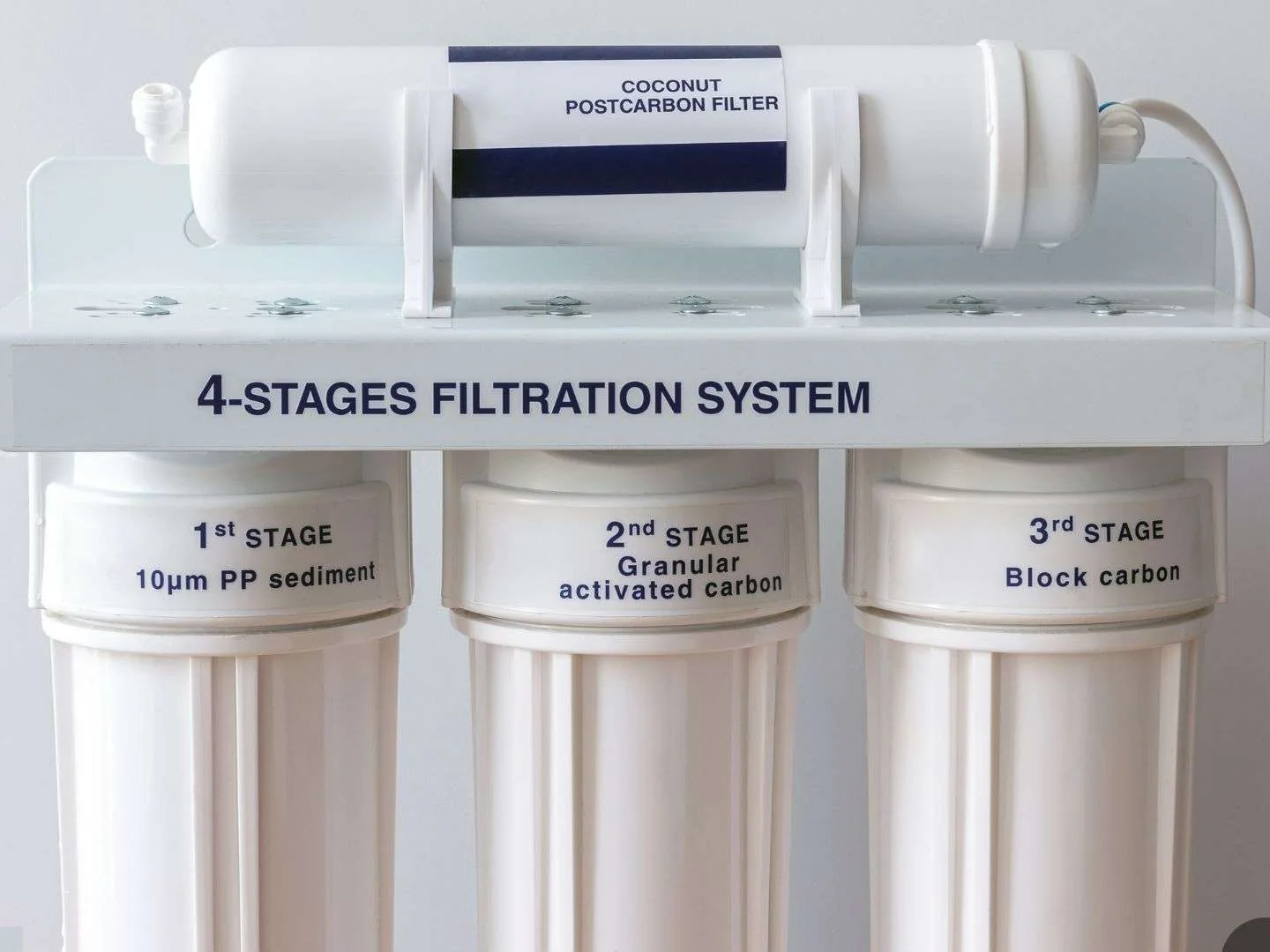
Sediment and carbon filtration address particles, chlorine and odors that can affect water taste and clarity. The filter selection should match the water concern.
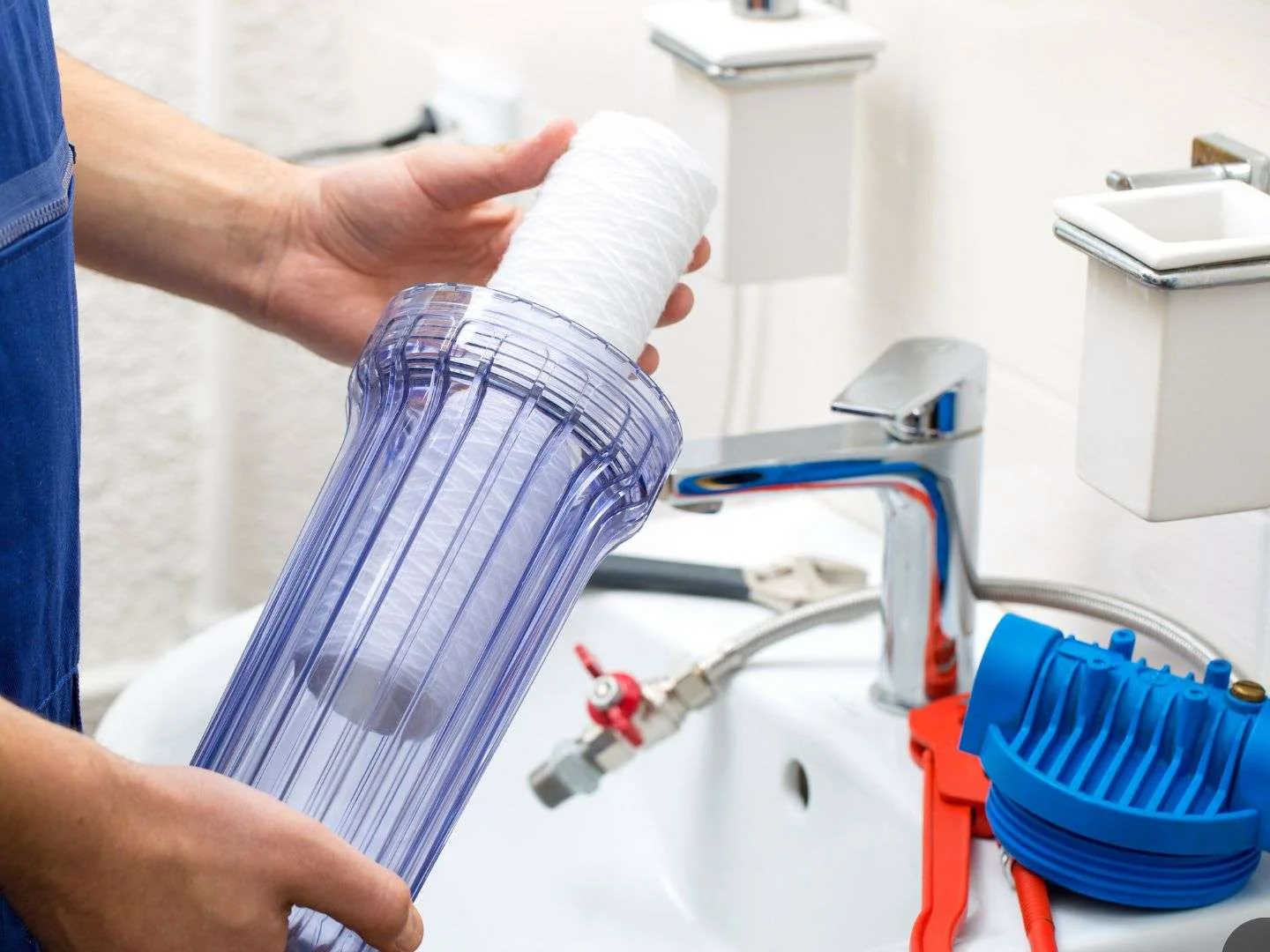
A sediment cartridge catches particles; a carbon filter uses a different treatment process. Neither the size of the tank nor the number of stages tells you everything it treats. Start with the concern, then review the product’s stated reduction claims and replacement requirements.
Pretreatment can also protect equipment downstream. A membrane, softener or specialty filter has limits for the incoming water it can handle. Review the manufacturer’s requirements against your results before combining components; adding stages without a purpose makes upkeep more complicated.
Plan the connections and service access.
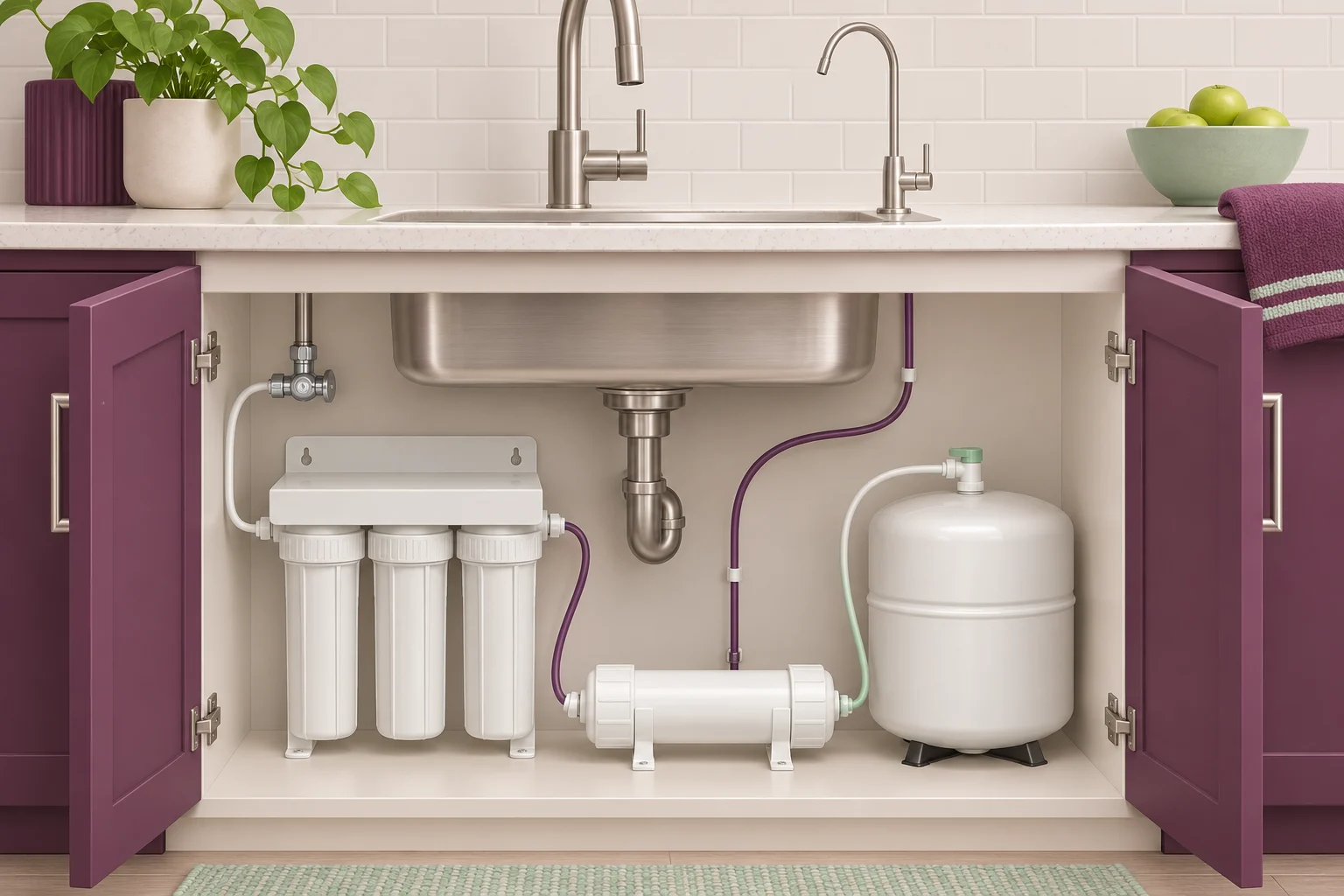
The installation plan should show what the equipment serves and leave enough room to maintain it. Review these details before work begins.
- Water connectionsWhich fixtures receive treatment? Confirm the kitchen faucet, refrigerator or ice-maker connection if those are part of the proposed work.
- Drain and powerIdentify the drain connection and any electrical supply required by the selected model.
- Working spaceAllow room to open housings, remove cartridges and reach shutoff valves; account for an RO tank when the design uses one.
- Water demandCompare the system’s rated service flow with the fixtures that may run together, rather than using tank size alone.
Match the filter to the test result.
If a lab report identifies a contaminant, compare it with the exact model’s certification and rated capacity. NSF explains that certification to a standard does not mean a product treats every contaminant. A general “NSF certified” label is not enough to choose a system for a specific concern.
Your Michigan water source matters.
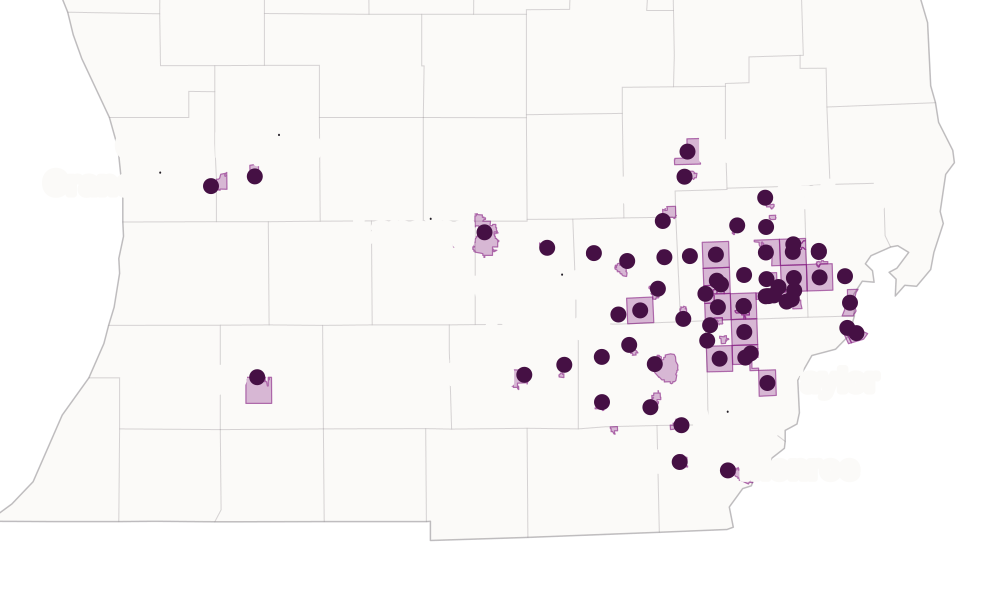
Tell Rock whether the property uses a private well or a public water supply, and bring any water report or recent lab result. Homes in the same community can need different treatment; the property’s source and results should guide the discussion.