Water filtration service continues after installation. Rock provides filter changes and system checkups to keep existing equipment performing.
Tell the team which system you have and what has changed. A model name, installation date and filter-change history can help start that conversation.
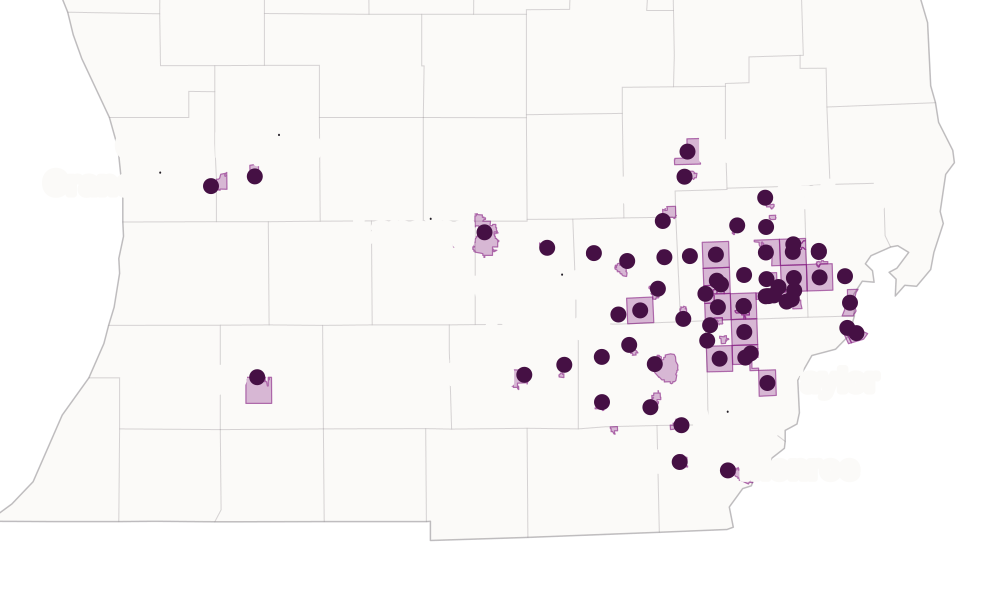
Share your service address and water source when you contact Rock. Michigan and Pinellas County properties can have different supply and equipment needs, so the recommendation should start with your home.
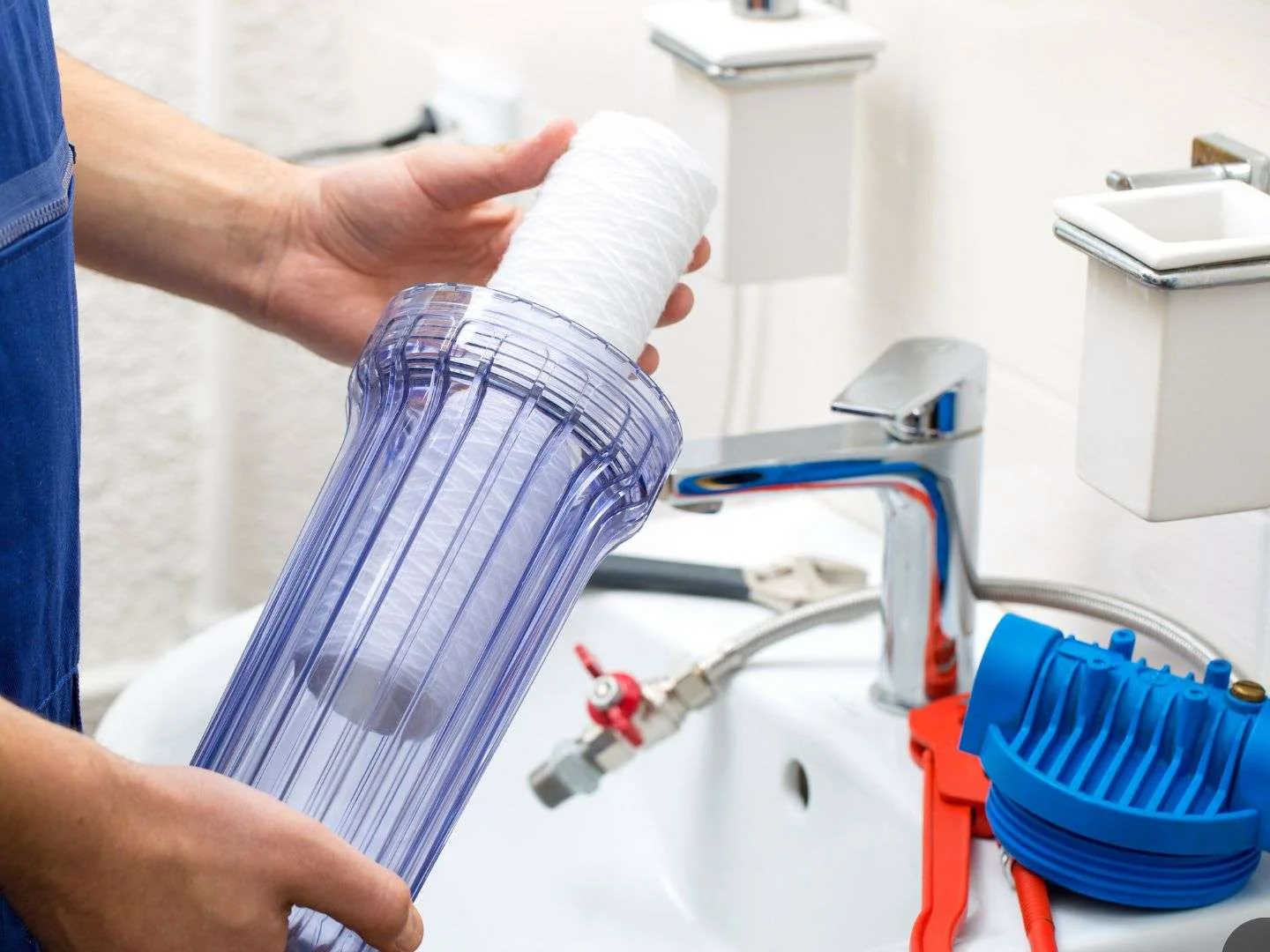
Filter replacement
Rock replaces filters and reviews the maintenance needs of the installed system. Confirm the replacement schedule with the team so the service fits your equipment and water conditions.
Use the exact cartridge or media specified for the system, and follow the manufacturer’s time and capacity limits. Record the installation date and replacement part number. A cartridge that fits the housing is not necessarily the correct replacement for its treatment purpose.
Cartridge filtersRecord each part number and its time or gallon limit; use the manufacturer’s specified replacement.
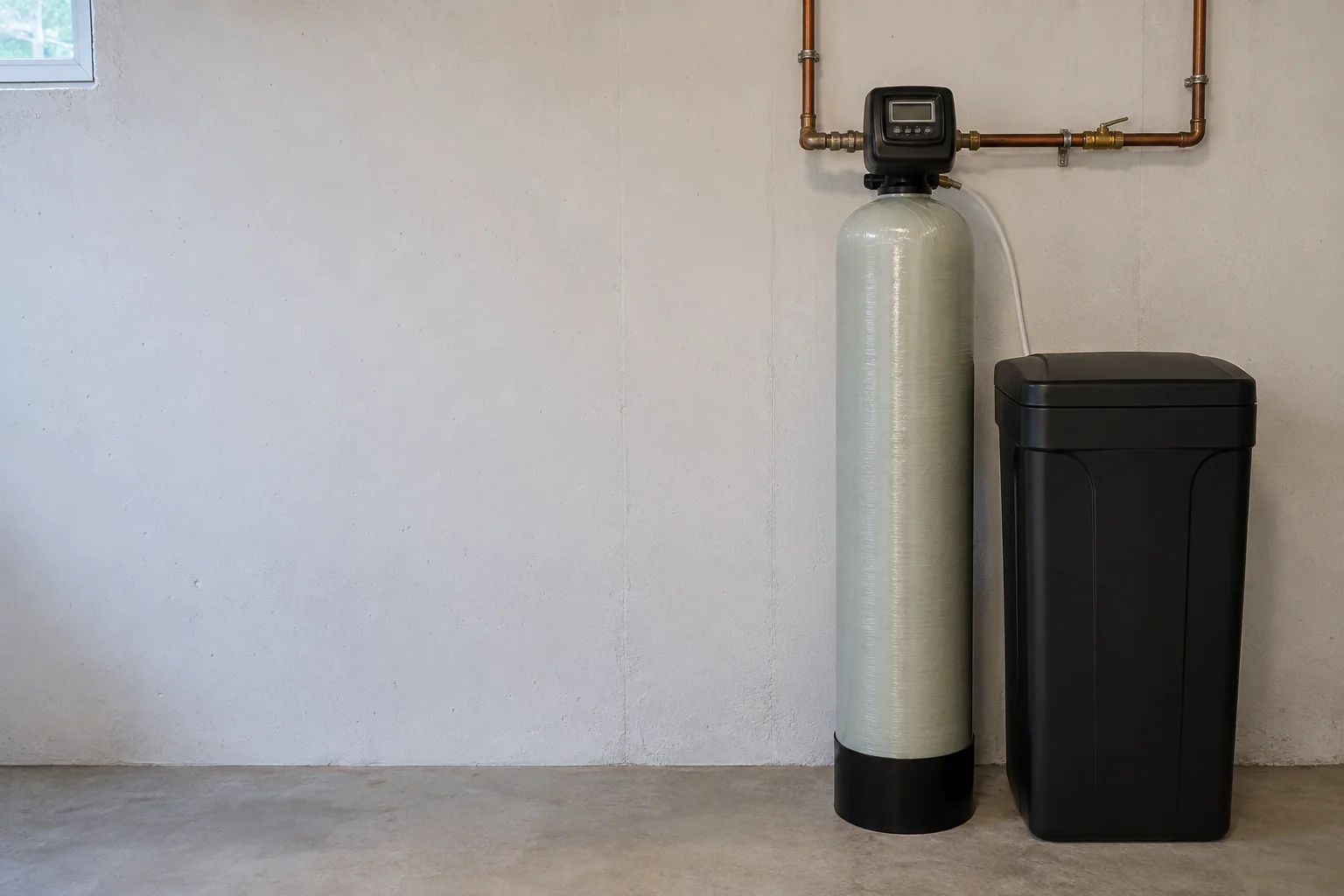
Media tanksCartridge schedules do not apply to every tank. Check the media’s service requirements and any backwash or control instructions.
Water softener care
Softener maintenance includes routine checkups, salt refills, resin cleaning and adjustments. If the system is not performing, Rock can troubleshoot the problem and discuss repair or replacement.
Bring the model number and describe what changed: returning scale, unusual salt consumption, an error message or water where it should not be. Avoid changing several settings before the visit; the technician needs a clear picture of the problem.
Salt level is not changingNote the last refill, household use and any displayed error. Have the system checked instead of assuming the salt tank proves it is working.
Scale has returnedRecord which fixtures are affected and when it began. A hardness check and equipment diagnosis can help identify the next step.
Cycles have changedNote the time, duration and frequency of regeneration, especially after a power interruption or plumbing work.
If your water needs have changed, ask about a water assessment before replacing equipment. Rock can discuss whole-home filtration, under-sink systems and reverse osmosis.
A new household size, changed water source or updated lab result can change what you need from treatment. Ask what the existing equipment can address before deciding to repair it, add another stage or replace it.
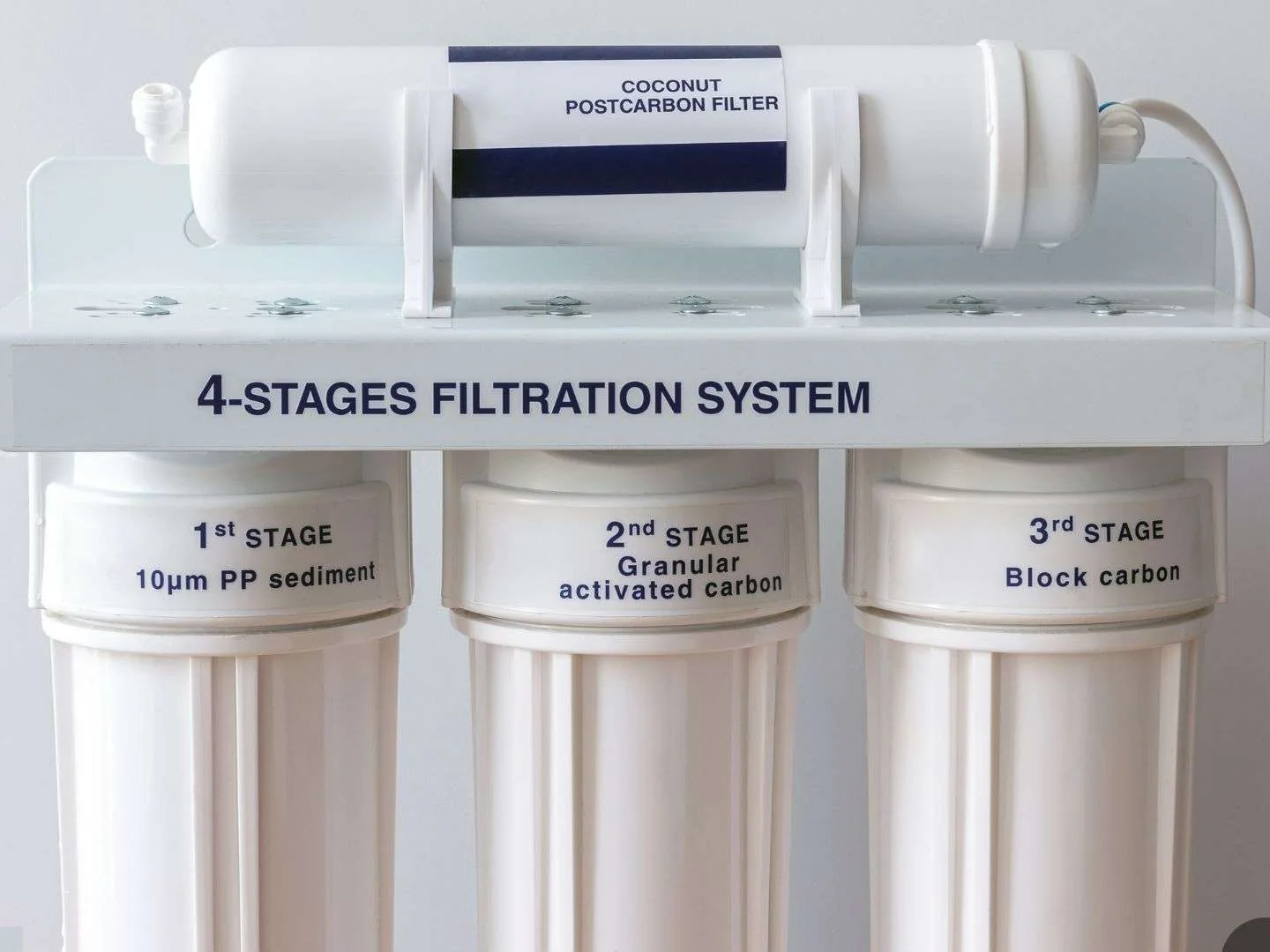
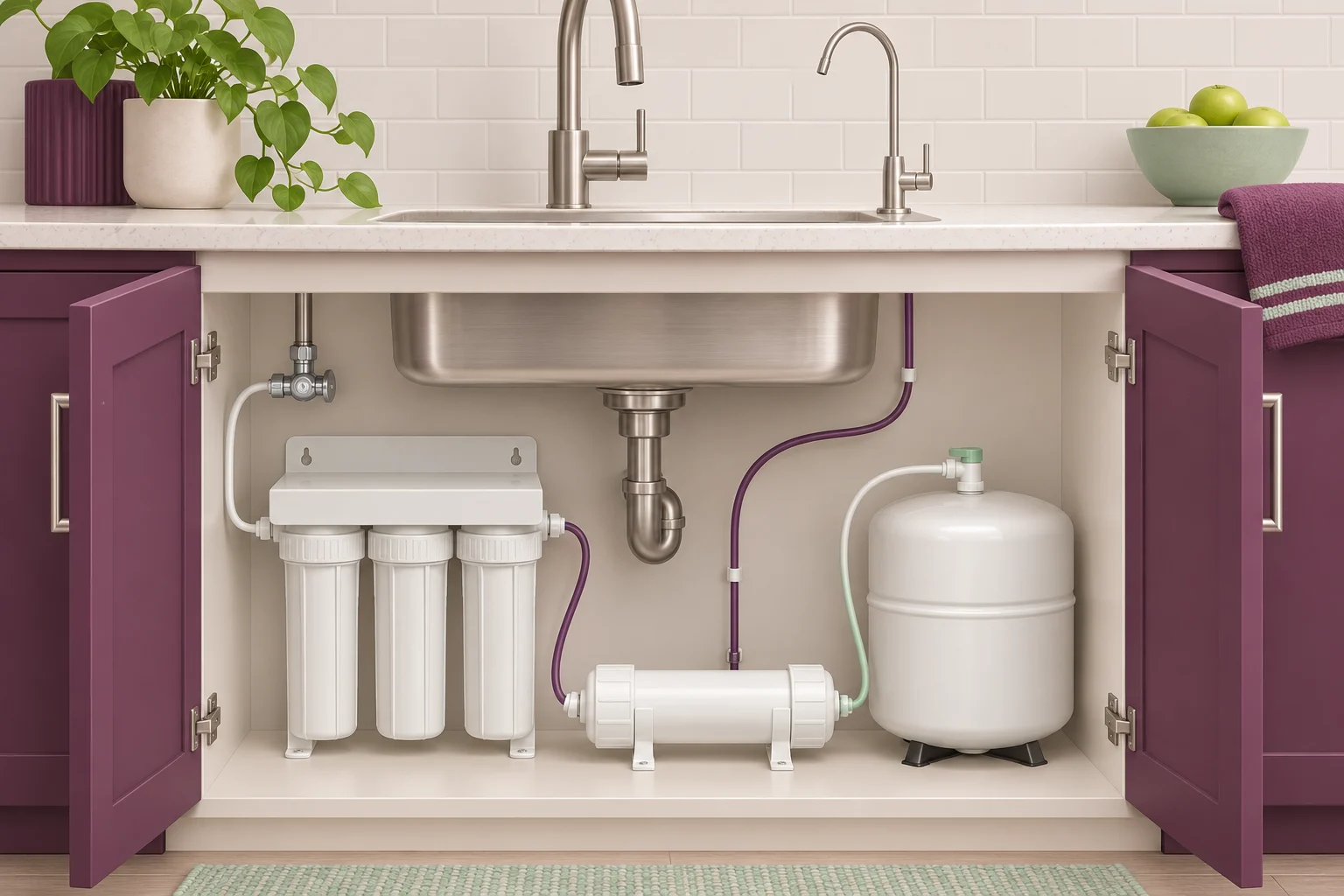
An under-sink or reverse osmosis system may have several cartridges and a membrane, each with its own care instructions. Write down the maintenance requirement for each stage. Ask about cleaning and sanitizing steps specified by the manufacturer, especially after a long period without use.
Prefilters and postfiltersList the replacement interval for each cartridge rather than treating the system as one filter.
RO membraneKeep its maintenance instructions separate from the cartridges; the replacement interval can differ.
Cleaning and restartFollow the model’s sanitation and restart instructions after service or extended disuse. Do not improvise a chemical dose.
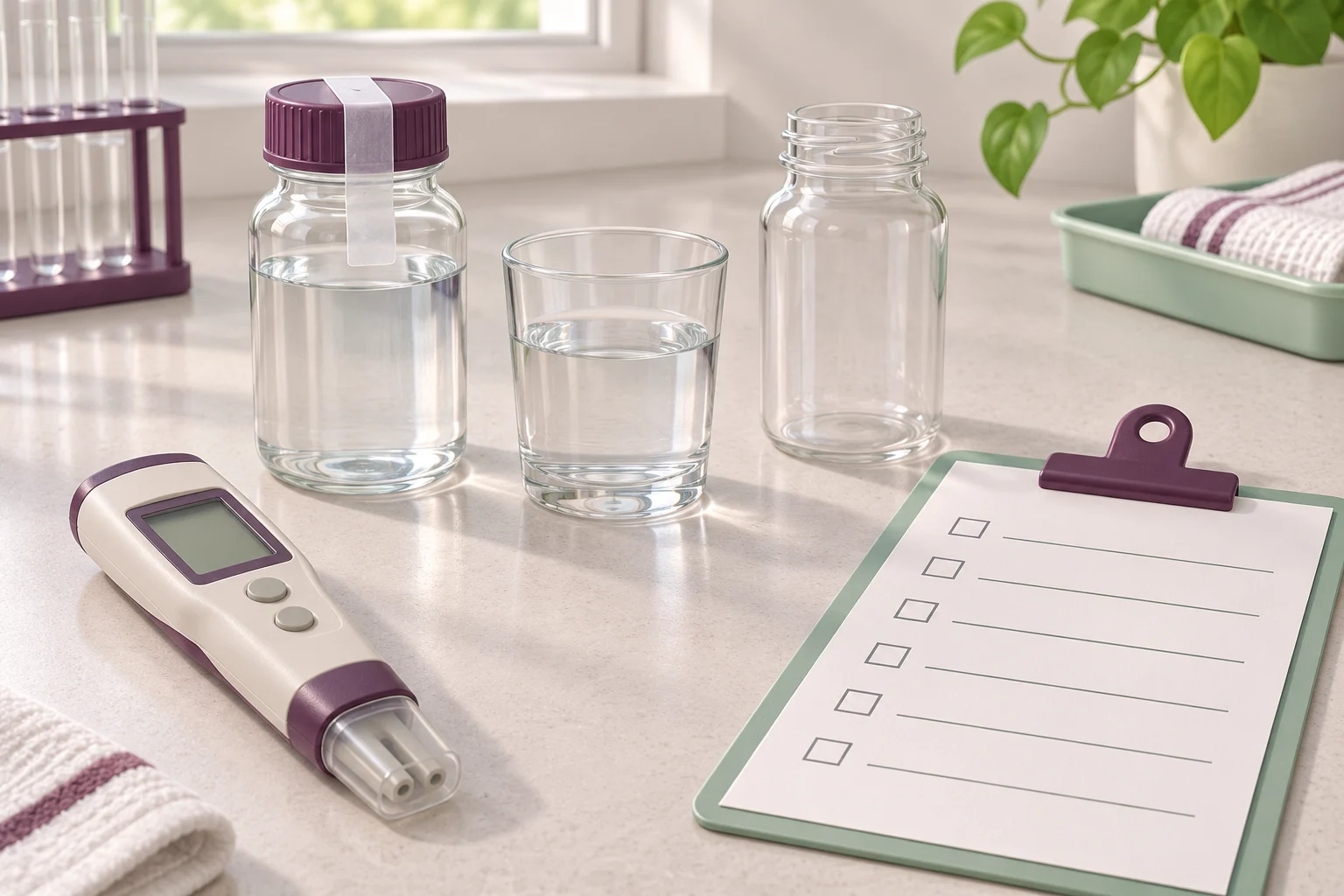
RecordsSave the service date, installed parts and any performance or water-test results together.
Reduced flow, a returning taste or a visible leak are reasons to contact the team. They do not identify the cause on their own. Describe when the change began and whether it affects every tap or only the treated faucet.
Slow RO faucetNote whether flow is weak immediately or drops after filling a container, and whether filters were recently changed.
Drain runs unusually longSome reject water is part of RO operation. Record when draining occurs and have a new or persistent change checked against the model’s normal operation.
Taste or odor returnsRecord whether it occurs at the treated faucet or elsewhere. A replacement cartridge is not a diagnosis of the underlying cause.
Visible leakContact the team promptly and describe where water appears. Avoid opening a pressurized housing or altering equipment to investigate.
How often should a filter be changed?The schedule depends on the installed system.+
The schedule depends on the installed system. Rock’s guidance describes annual or semi-annual changes for many systems; confirm the interval for your equipment with the team.
Can I arrange maintenance without a new installation?Yes.+
Yes. Filter replacement and checkups for existing filtration systems are part of Rock’s services.
Should I wait for the water to taste different before changing a filter?Follow the manufacturer’s schedule even when the water still tastes the same.+
Taste is not a reliable replacement indicator for every filter. Use the stated service interval or rated capacity and keep a dated record. CDC recommends regular maintenance and filter changes according to the manufacturer’s instructions.
What information helps with a maintenance appointment?Share the model, last service date and the change you have noticed.+
A photo of the equipment label and cartridge packaging can help identify the system. Mention recent plumbing work, time away from the property or changes to the water supply, and keep any lab results available for the discussion.
Does changing a filter confirm the water is safe to drink?A filter change alone does not establish drinking-water quality.+
The result depends on the incoming water, the treatment the system provides and whether it operates as intended. If a specific contaminant prompted treatment, ask the laboratory or health department about follow-up sampling.
Does weak flow mean I need a new filtration system?Weak flow alone does not identify the cause.+
Tell the team which faucet is affected, when flow changes and what maintenance was last completed. Have the cause checked before comparing repair, filter service or replacement.