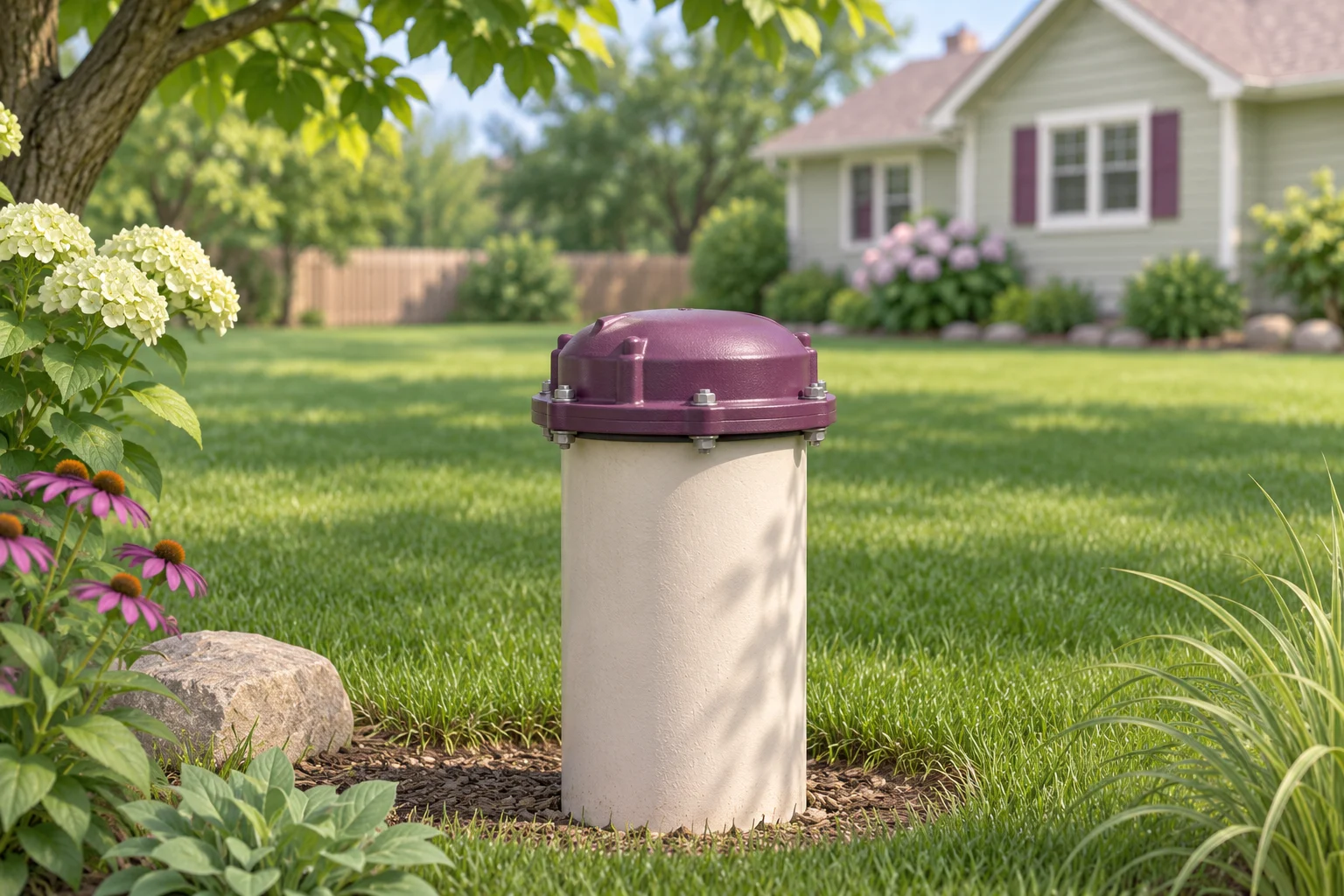
Start with your own well's results.
A nearby home's water report cannot tell you what is in your well. Keep a record of your water source, previous tests and any treatment equipment, then use those details to plan the next assessment.
Rock offers water testing and hardness assessment for equipment selection. Ask what the appointment measures. Contaminant-specific laboratory analysis is a separate question; a hardness or total dissolved solids reading does not check for every chemical or germ.
Choose the tests before collecting water.
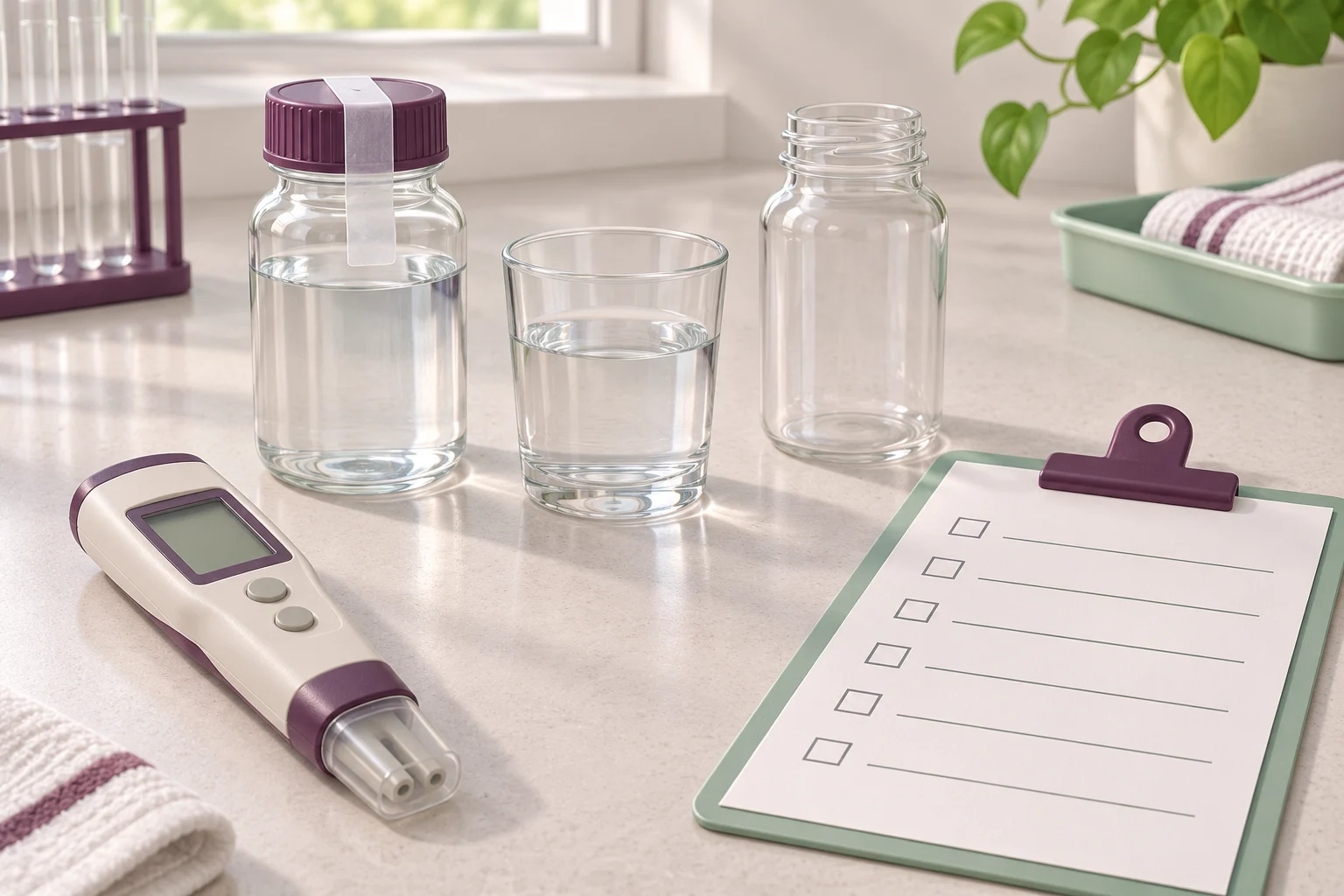
EPA recommends annual private-well tests for total coliform bacteria, nitrate, total dissolved solids and pH, with other tests based on local conditions. Ask your health department which tests fit your property and use a laboratory certified for those analyses. Read EPA's well-testing guidance.
Before collecting a sample:
- Confirm the test panel, price and laboratory's collection instructions.
- Get the required bottles; collection and delivery requirements vary by test.
- Identify the sampling tap and tell the laboratory whether its water passes through treatment.
- Keep the complete report, including sample date, units and the location sampled.
Michigan homeowners can follow the testing schedule and local laboratory resources in our Michigan water guide. For a Florida property, start with your local health department and our regional water resources.
Describe the change you notice.
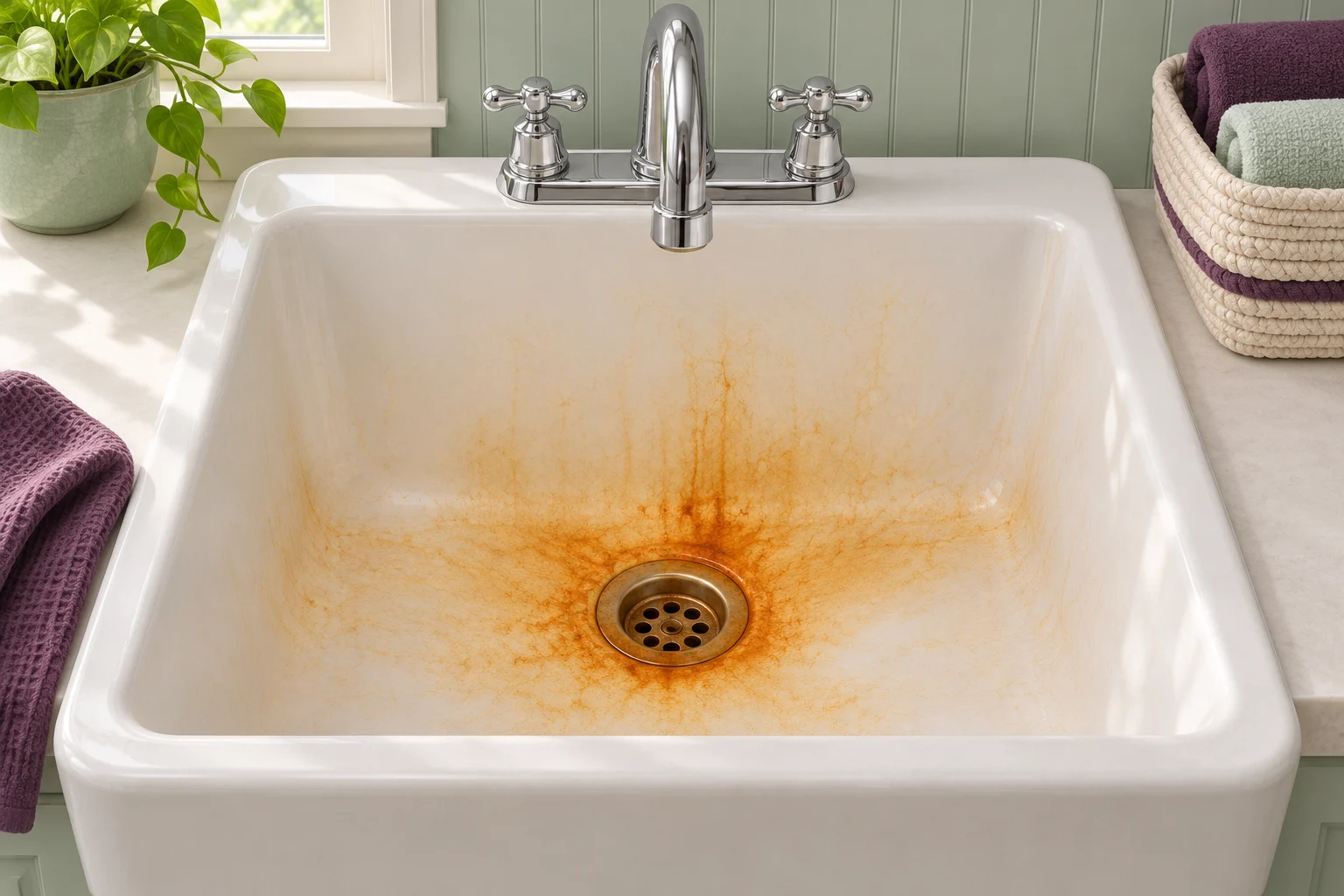
Scale, staining and odor help describe a problem, but they do not identify its cause. Note which taps are affected, whether the change occurs in hot or cold water, and when it began. Mention flooding, well repairs or a recent change in the supply when arranging testing.
See the common water problems guide for the differences between hardness, discoloration and concerns that need laboratory testing. If results exceed a health standard, ask your health department what to do next before relying on a new filter.
Give each piece of equipment a purpose.
A softener addresses hardness; the job of a filter depends on its media and design. A drinking-water system treats a different part of the household supply from equipment installed at the main water line.
Discuss water softening, whole-home filtration or under-sink reverse osmosis against your results and water use. Ask the proposal to explain what each stage addresses, its flow requirements and the upkeep it needs. Verify any contaminant-reduction claim for the exact model using NSF's certification guidance.
Keep the well and the treatment on separate plans.
Replacing a cartridge does not repair a damaged well. EPA recommends checking exposed well components and keeping pollution sources away from the well; a well contractor or health department can advise on the water source. EPA's well-care guidance explains those responsibilities.
For the equipment inside the home, keep model numbers and service dates together. Our system-care guide helps you prepare for filter maintenance.
Well-water questions
My water looks clear. Do I still need a testing plan?
Yes. Appearance does not establish drinking-water quality. Use the recommended testing plan and ask about additional analyses for your property rather than waiting for a visible change.
Does a softener make well water safe to drink?
A conventional softener reduces hardness. It does not replace testing or treatment selected for a particular contaminant. Bring the report to the equipment discussion so each recommendation has a clear purpose.
Illustrations show typical equipment or situations, not test results or photographs of Rock installations.