Rock Service Pros installs and maintains water softening systems for households dealing with hard water and mineral buildup. The team tests water hardness to help recommend the right solution.
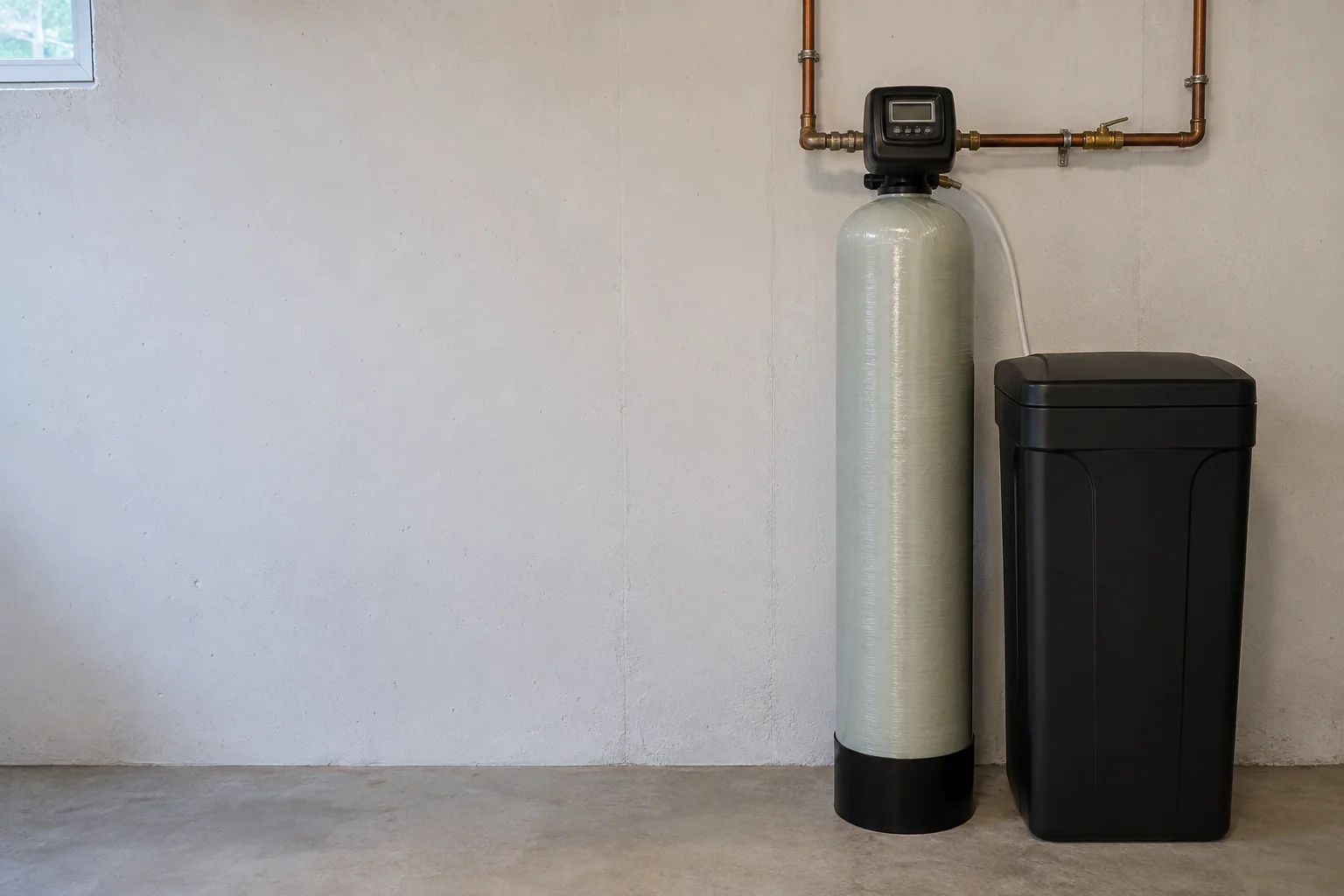
The equipment is sized and configured for your household’s water use. Rock can also check an existing softener that no longer performs as expected.
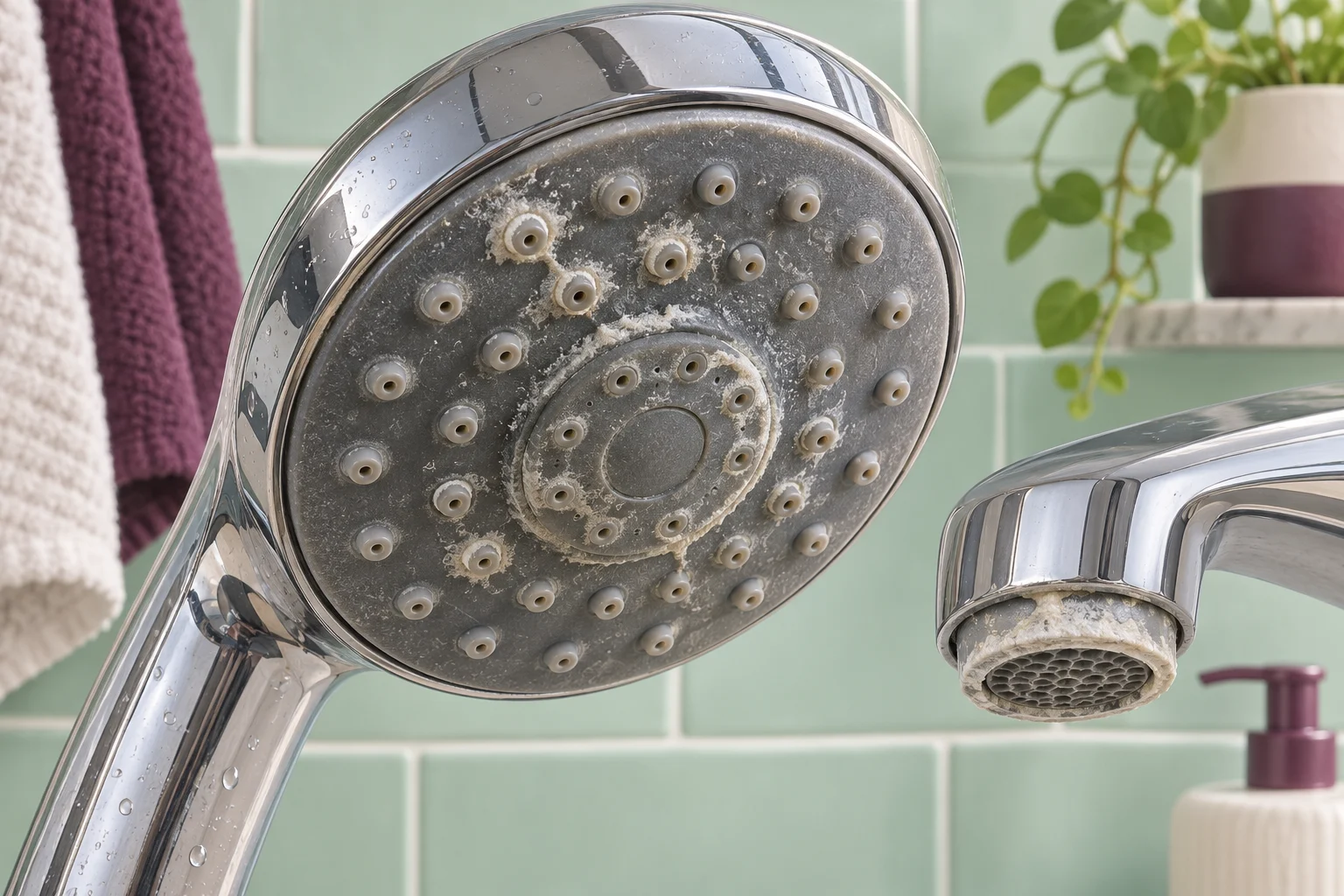
Hardness comes mainly from dissolved calcium and magnesium. It can leave scale on fixtures and affect how soap works, but a hardness reading answers a different question from a test for drinking-water contaminants. USGS explains water hardness.
What happens inside a softener?
The resin does the softening; the salt supply helps restore that resin for its next service cycle. Those are separate jobs.
Service cycleWater passes through resin beads, which exchange calcium and magnesium ions for sodium or potassium ions.
RegenerationA concentrated brine solution restores the resin’s exchange capacity. The system then rinses before returning to service.
Demand-based controlA meter or hardness sensor can trigger regeneration based on use or need.
Timed controlA fixed schedule triggers regeneration at set intervals. Compare its fit with the household’s changing water use.
Rock installs whole-home water softening systems and replaces old or failing units. Discuss your household’s water use and the available installation space with the team.
A useful quote accounts for measured hardness, the number of people using water and the demand when several fixtures run together. Discuss the main water-line location, access to the equipment and any installation requirements before selecting a unit.
Peak flowAccount for simultaneous showers, laundry and other fixtures; daily water use alone does not describe the busiest moment.
Which lines are softenedDecide whether outdoor taps and irrigation should remain untreated, and confirm how the kitchen drinking-water line is connected.
During regenerationCheck whether the proposed system supplies treated or untreated water during its cycle; this depends on the design.
Care and efficiencyCompare salt use, regeneration water use and access for refills alongside the installation price.
Maintenance and troubleshooting
Routine service includes checkups, salt refills, resin cleaning and system adjustments. Rock also diagnoses and repairs existing softeners, regardless of brand.
When you call, note whether mineral deposits have returned, the system shows an error, or salt use has changed. Share the model and recent service history. Those details help distinguish an overdue checkup from a change in the household’s water demand.
Repair versus replacement starts with the cause. A control, setting or maintenance issue calls for a different decision from worn equipment that no longer fits the household. Compare the diagnosis, available parts and repair scope with the proposed replacement before deciding.
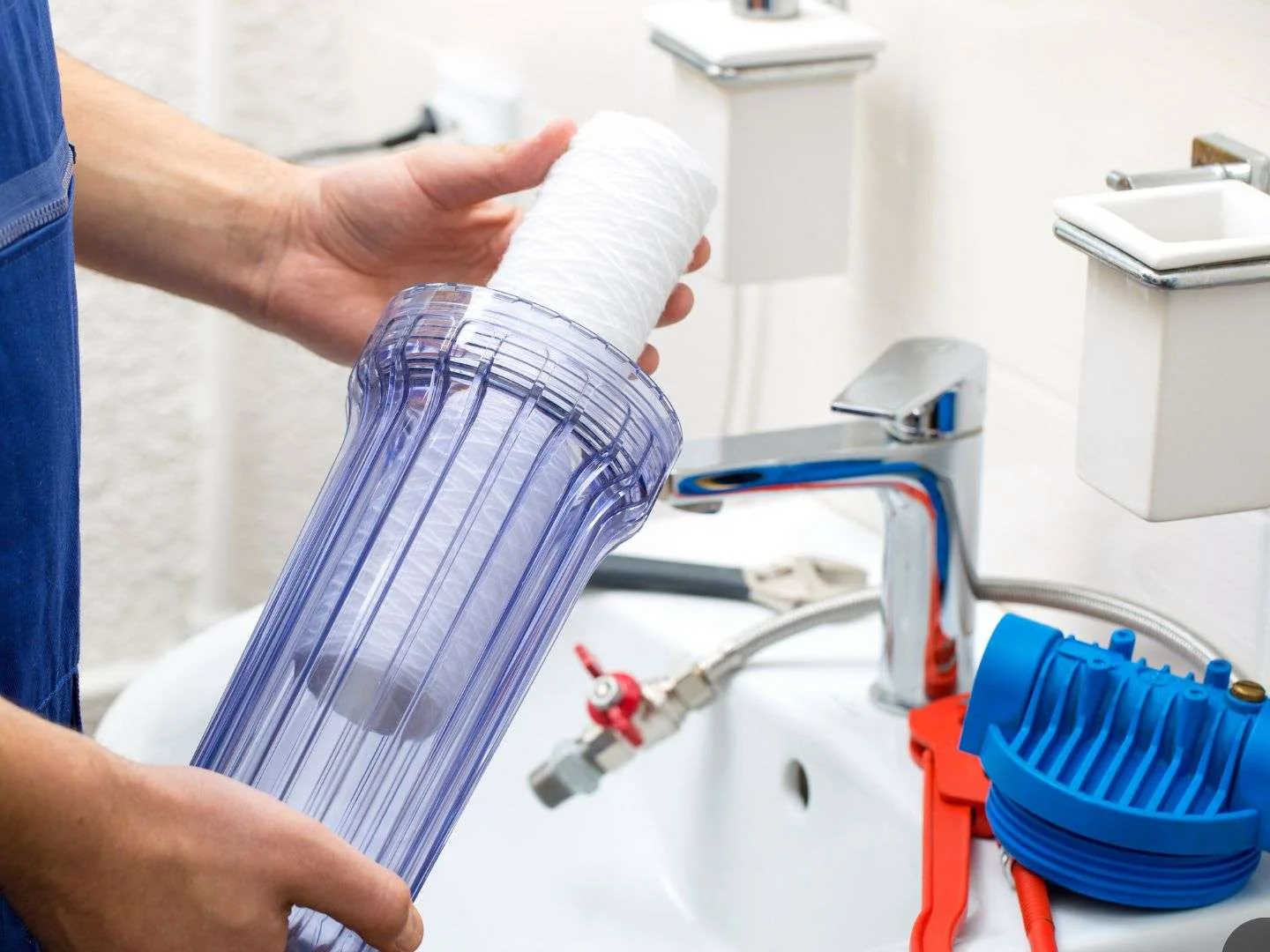
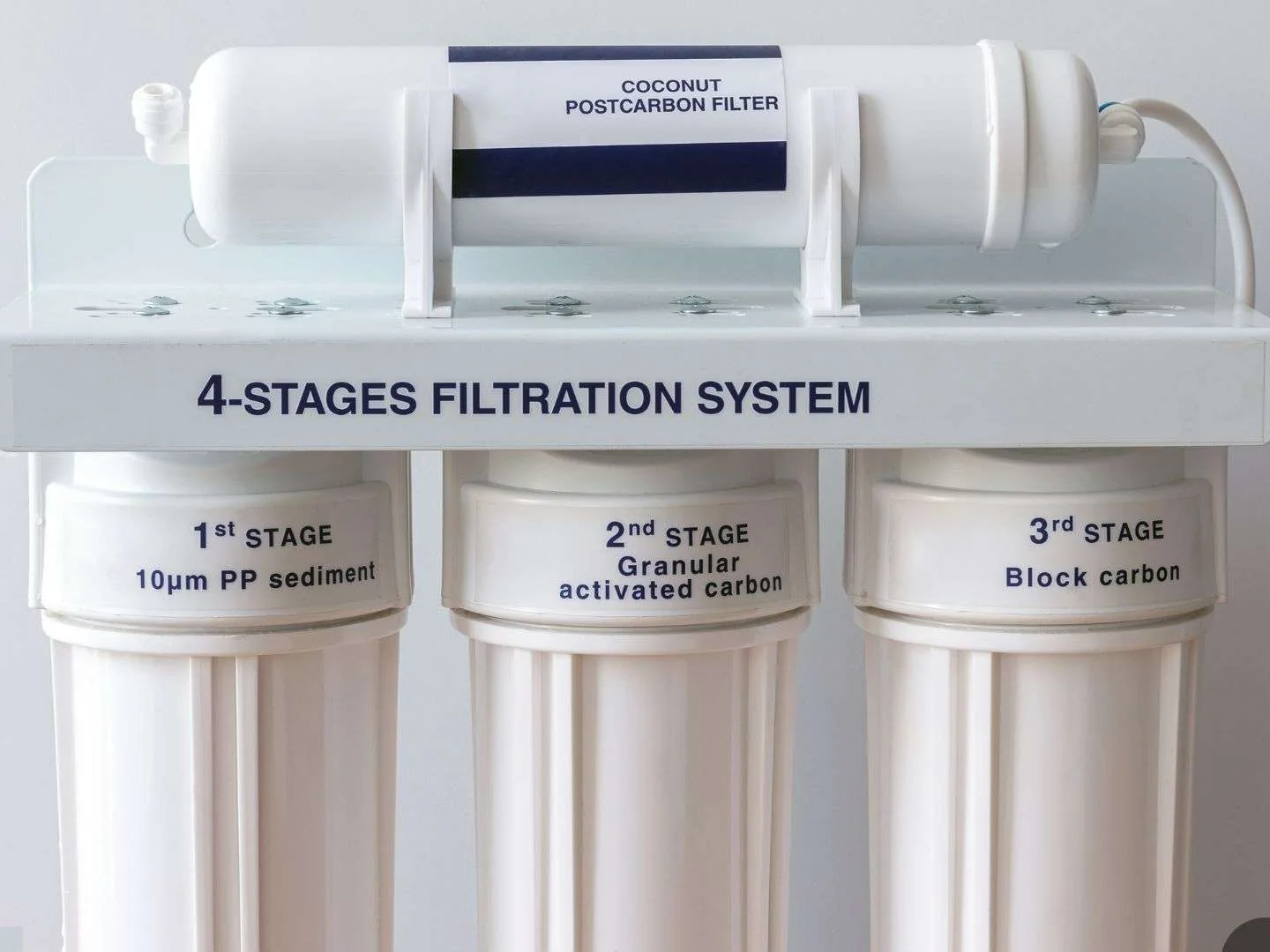
Hardness is one part of a water assessment. If you also have questions about taste, odor or drinking water, ask Rock about filtration options alongside the softener.
A conventional softener exchanges hardness minerals for sodium or potassium ions. Filtration serves other goals, depending on the filter. Keep the two questions separate when comparing proposals: what addresses scale, and what addresses the drinking-water concern?
Ask which salt the manufacturer specifies, how to monitor the brine tank and which settings the technician recommends for your water use. Also ask what belongs in a routine service visit and what signs should prompt a call between visits. Keep the manual and service records with the model details.
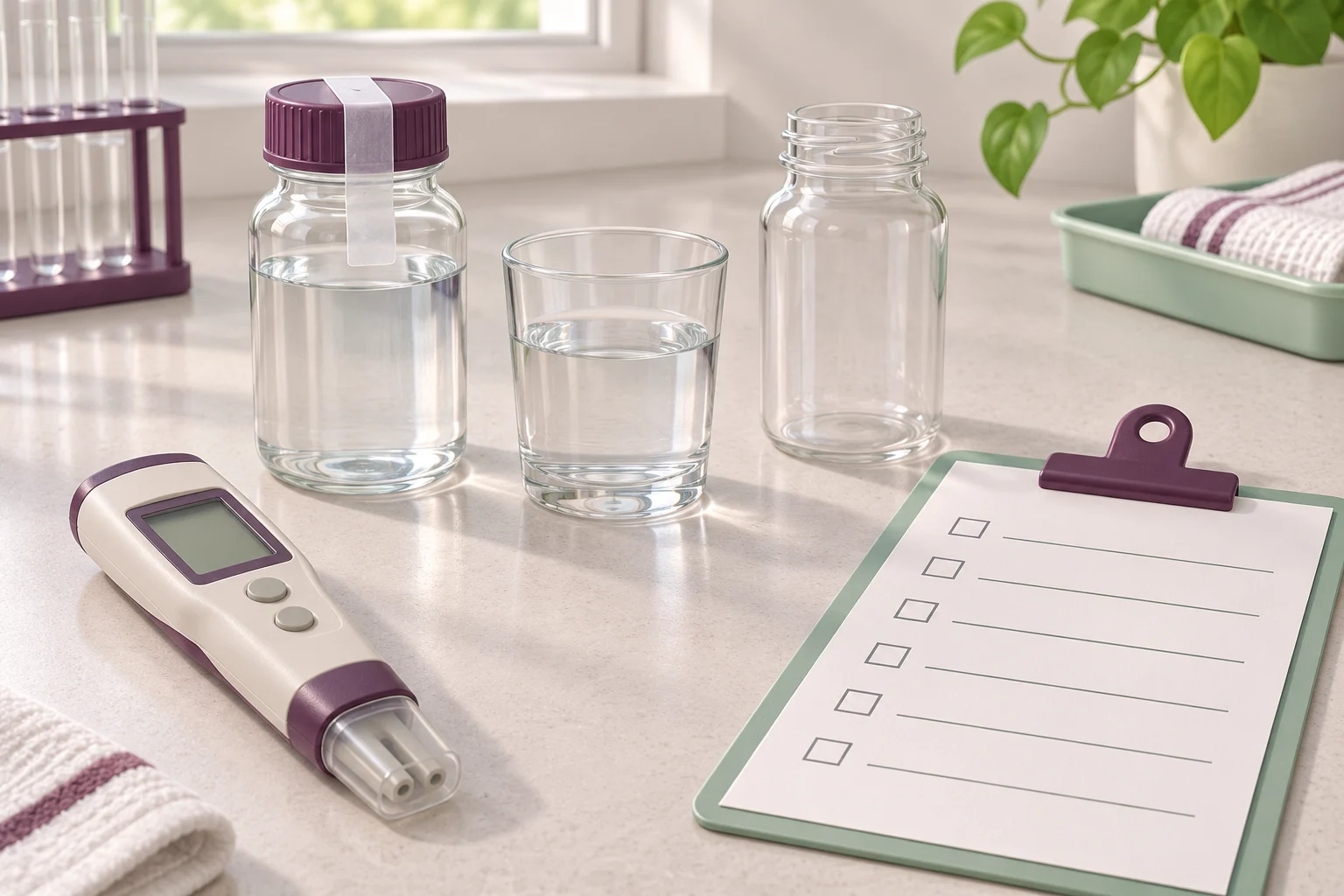
Start with a current hardness result.
A neighbor’s equipment choice or a regional hardness map cannot size your system. Bring a recent result if you have one; otherwise, discuss a hardness assessment with Rock. If the house uses an existing softener, explain which taps it supplies and where the sample was collected.
Tell Rock whether the property uses a private well or a public water supply, and bring any water report or recent lab result. Homes in the same community can need different treatment; the property’s source and results should guide the discussion.
What should I have ready for a softener quote?Your water source, household size and existing equipment details are a useful start.+
Share a hardness result if available, plus a photo of the current system and installation area. Ask the quote to explain the equipment, installation work, setup and expected upkeep so you can compare the full scope.
Is a salt-free conditioner the same as a softener?Ask what the proposed device actually does to hardness minerals.+
A conventional ion-exchange softener removes hardness minerals through exchange. Equipment marketed for scale control can work differently. Compare the stated treatment method and measurable result instead of choosing by the product name alone.
Does every faucet need softened water?The plumbing layout determines which fixtures the softener serves.+
Discuss outdoor taps, irrigation and the kitchen drinking-water line before installation. Ask the installer to identify any lines that remain untreated so you know what to expect at each faucet.