Start with the model, not a generic schedule.
Your equipment's manual sets the replacement parts, service intervals and operating instructions. Keep a photo of the label and the installation paperwork together so the next filter change matches the installed system.
Build a short record:
- System model and the fixtures it serves.
- Cartridge, membrane or media names and part numbers.
- Installation date, last service date and any usage-based replacement limit.
- Water reports, technician notes and changes you have noticed.
Rock provides filter replacement and system maintenance and softener service. Share these details when arranging an appointment.
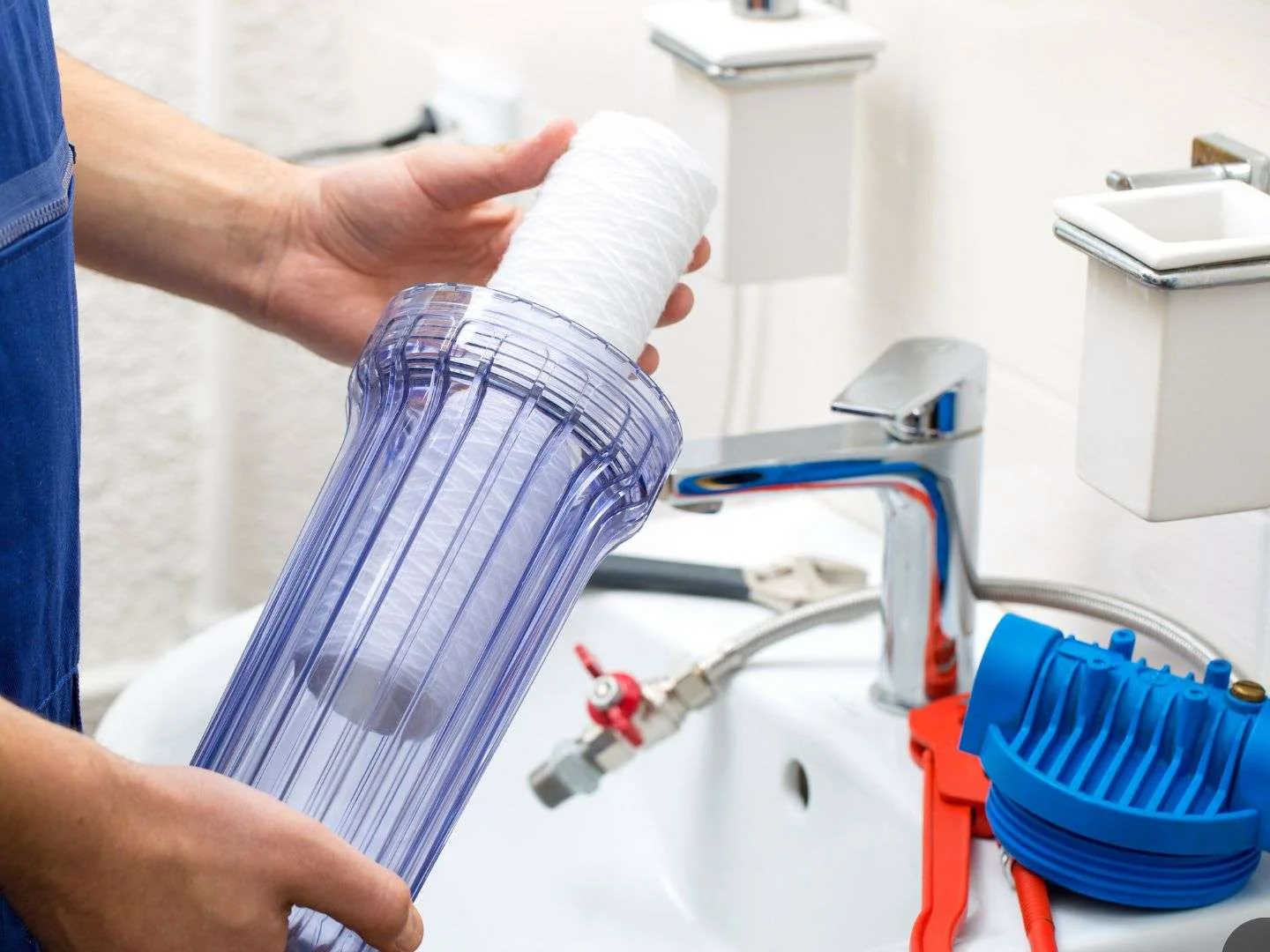
Treat every filter stage separately.
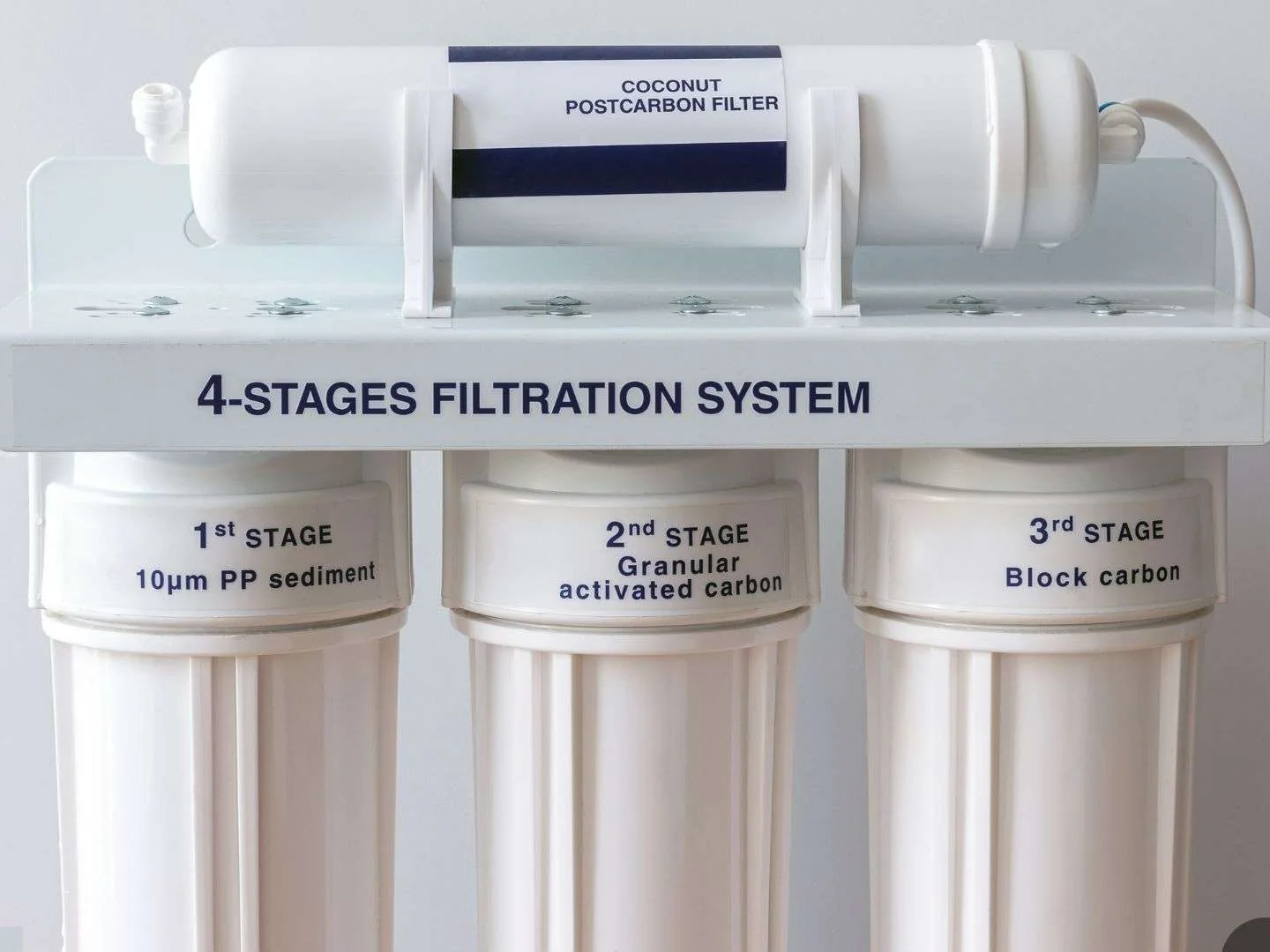
A system may contain several parts with different jobs. A sediment cartridge catches particles, while a carbon stage or membrane serves another treatment purpose. Replacing one stage does not reset the care requirements for the others.
For each stage, record its specified replacement part and the manufacturer's time or capacity limit. A cartridge that fits the housing may have different performance claims. CDC recommends maintaining filters and changing them according to manufacturer instructions.
Give softeners their own care routine.
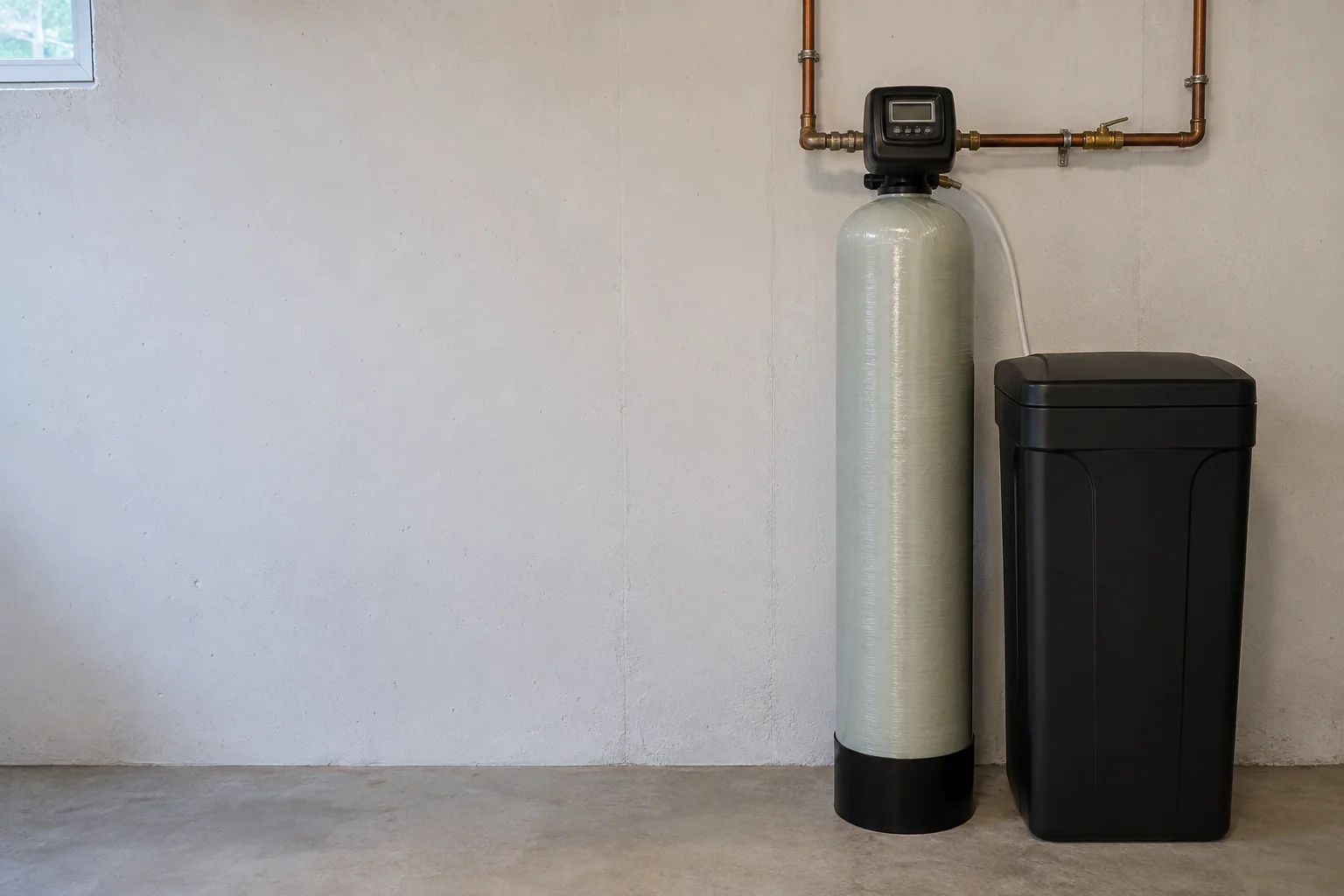
A conventional softener uses resin to exchange hardness minerals for sodium or potassium ions; salt supports regeneration of that resin. NSF explains the softening process.
Use the salt and operating instructions specified for your model. When arranging service, describe returning scale, an error message, an unexpected change in salt use or water around the equipment. Rock's existing softener services include checkups, salt refills, resin cleaning, adjustments and repairs. A technician can assess the cause before you change settings or replace the unit.
Notice changes in RO and drinking-water systems.
Reduced output, a returning taste or a visible leak deserves attention, but the symptom alone does not identify the failed part. Record when it began and whether it affects only the treated faucet or other taps too.
An RO system can include pre-filters, a membrane and further filtration, each with its own instructions. Ask which parts need service, what any cleaning or sanitizing procedure involves, and when to return the system to use. Our reverse-osmosis guide explains the equipment; EPA's RO resource explains the treatment and reject-water streams.
Reassess when the household or water changes.
A larger household, a different water source or new laboratory results may change what you need from treatment. Before replacing equipment, discuss whether maintenance, an adjustment or a different system addresses the actual issue.
Bring the service history to a water assessment. Ask separately about equipment measurements and any contaminant-specific laboratory test. When treatment addresses a documented contaminant, discuss follow-up sampling with the laboratory or health department; a filter change alone does not verify drinking-water quality.
System-care questions
Can I wait until the water tastes different to change the filter?
Use the manufacturer's interval or rated capacity. Taste does not reliably indicate every filter's remaining performance, and unchanged taste does not confirm that a cartridge is still doing its intended job.
Can Rock maintain equipment it did not install?
Rock offers maintenance for existing filtration systems. Its softener repair service covers existing equipment regardless of brand. Share the model and the work you need when contacting the team.
What should I do after a long absence?
Find the manufacturer's instructions for restarting that model, including any flushing, cleaning or replacement steps. Tell Rock how long it was unused when arranging service; do not assume one procedure fits every system.
Contact your Rock team or find water-source guidance for Michigan and Pinellas County.
Illustrations show typical equipment or situations, not test results or photographs of Rock installations.